

2 years ago
MRI (Magnetic_Resonance_Imaging)
machines also feature alarms and hashtag#safety mechanisms to ensure patient safety and proper functioning of the hashtag#equipment within the unique environment of the MRI suite.
Patient Monitoring Alarms:
These alarms are designed to monitor the patient's vital signs and ensure their safety during the MRI procedure. Common alarms include:
Heart rate monitoring:
Alerts medical staff if the patient's heart rate becomes too high or too low.
Respiratory rate monitoring:
Notifies staff of any irregularities or changes in the patient's breathing.
Oxygen saturation monitoring:
Indicates if the patient's blood oxygen levels drop below a safe threshold.
Equipment Safety Alarms:
These alarms focus on ensuring the safety and proper operation of the MRI machine itself. Examples include:
Cryogen monitoring:
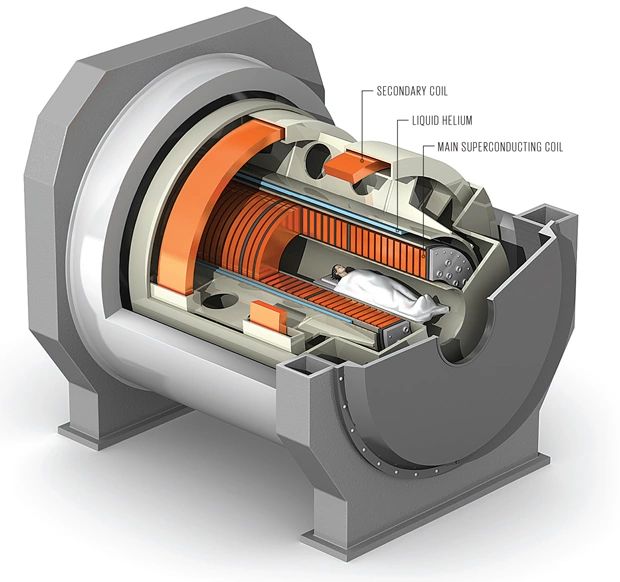
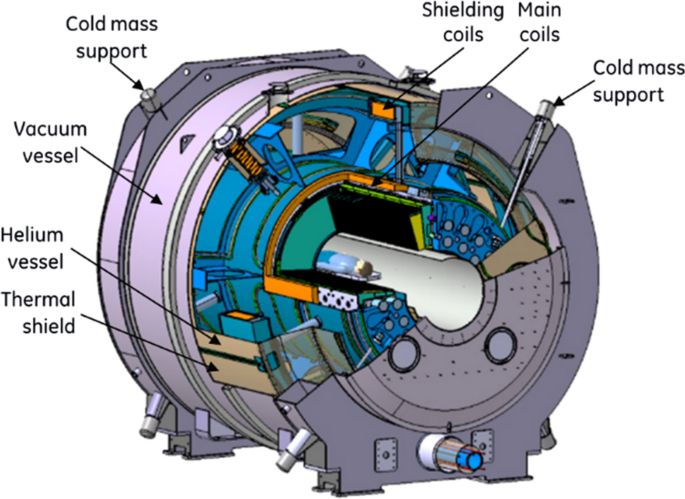
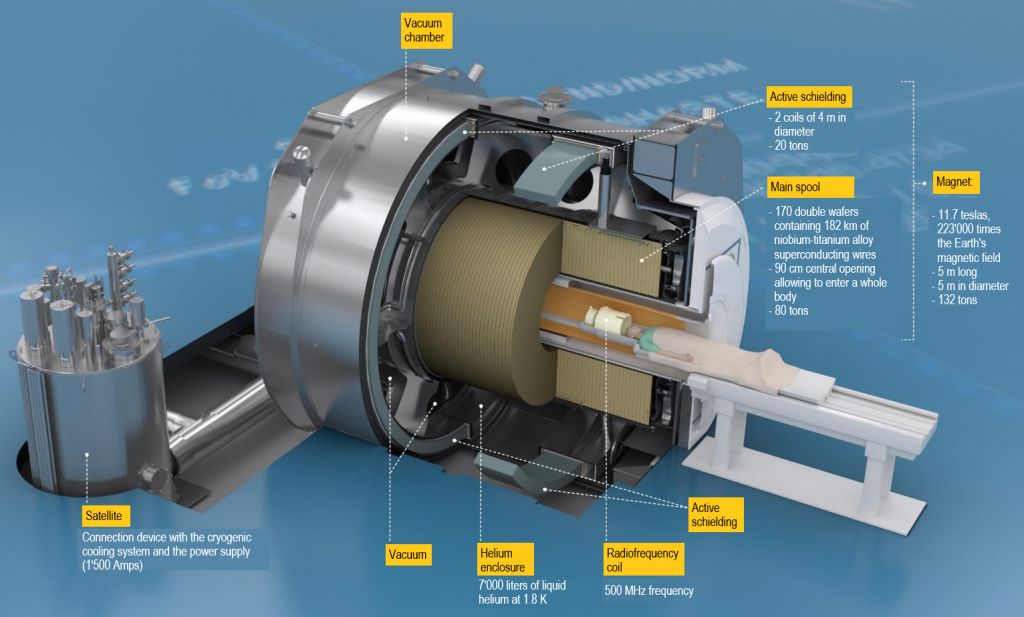
Alert technicians to any fluctuations or issues with the cryogenic cooling system, which is essential for maintaining the superconducting magnet.
Gradient coil temperature monitoring:
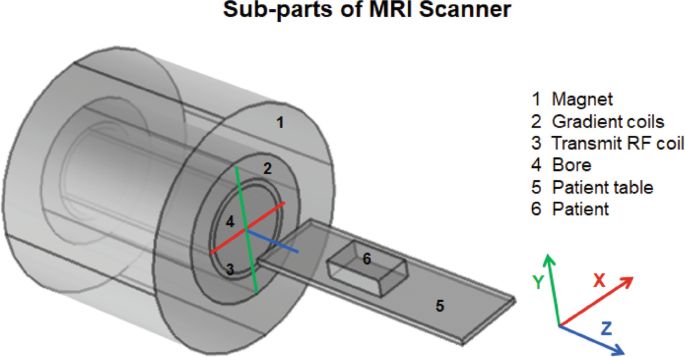
Notifies staff if the gradient coils, which produce the magnetic field gradients necessary for imaging, become overheated.
Magnetic field monitoring:
Warns of any deviations or fluctuations in the magnetic field strength, which could affect image quality or pose a safety risk to patients or staff.
Patient Comfort and Compliance Alarms:
Some alarms are designed to enhance patient comfort and ensure compliance with safety protocols. These may include:
Motion detection:
Alert operators if the patient moves excessively during the scan, which could blur images or necessitate re-scans.
Claustrophobia response:
Provides a means for patients to communicate discomfort or anxiety during the procedure, prompting staff to intervene or adjust the protocol as needed.
hashtag