


2 years ago
#Calibrating_a_syringe_pump
1. Initial Setup
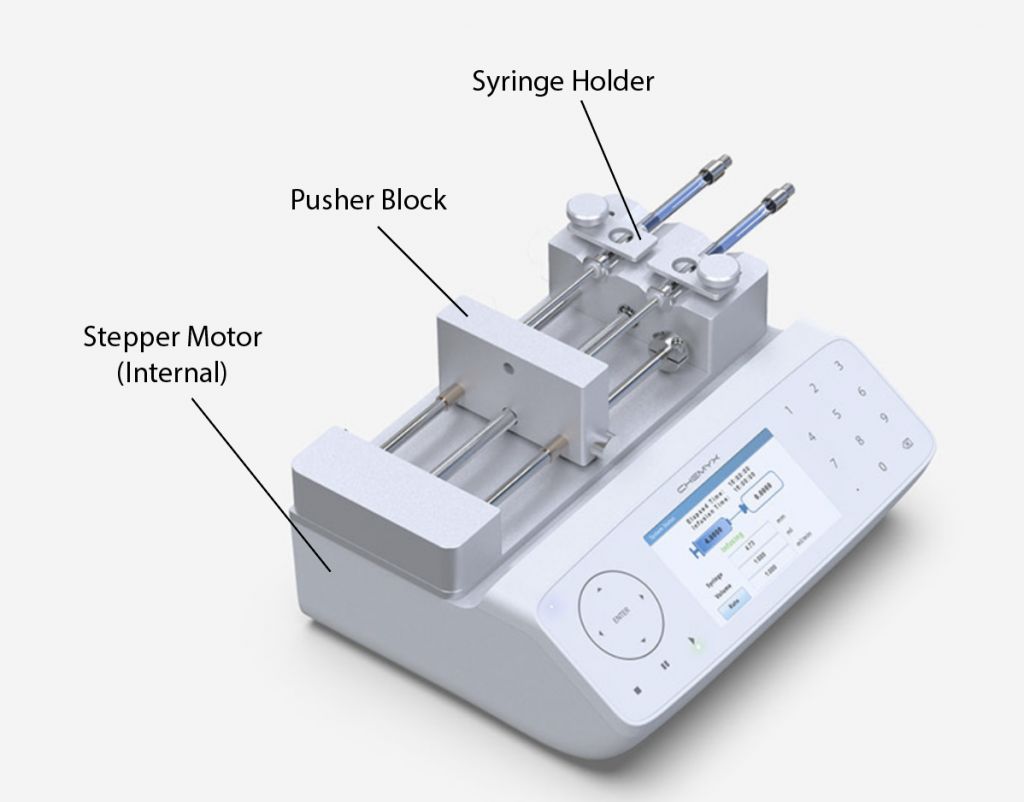
Begin by setting up the syringe pump in a controlled environment with stable conditions. Ensure that the pump is clean and free from any obstructions.
2. Identify Calibration Parameters:
Identify the key parameters that need calibration. These typically include flow rate, volume, or other relevant measurements based on the specific syringe pump model.
Select a Calibration Syringe:
Choose a calibration syringe of a known volume. The volume should be appropriate for the intended use and within the specified range of the syringe pump.
4. Access Calibration Mode:
Most syringe pumps have a calibration mode or menu. Access this mode following the manufacturer's instructions.
5. Load Calibration Syringe:
Load the chosen calibration syringe into the syringe pump. Ensure proper alignment and secure attachment to the pump.
Enter Calibration Parameters:
Input the known volume of the calibration syringe into the pump's calibration mode. This information serves as a reference for the calibration process.
7. Start Calibration:
Initiate the calibration process through the pump's user interface. The pump will run based on the known volume of the calibration syringe.
8. Measure and Adjust:
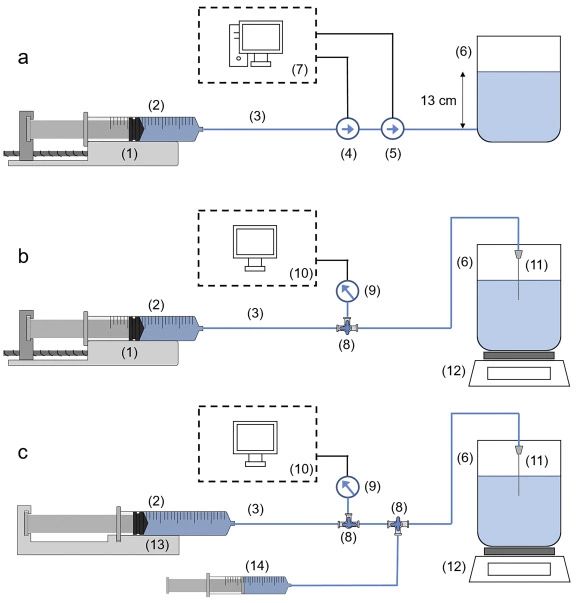
During the calibration process, the pump measures the actual volume delivered.
Compare the measured volume to the known volume of the calibration syringe. If there is a discrepancy, the pump may automatically adjust its settings to align with the known reference.
9. Repeat if Necessary:
Calibration may involve multiple iterations to achieve accurate and consistent results.
10. Verification:
After calibration, verify the accuracy of the syringe pump by running it with different volumes and flow rates. Confirm that the
delivered volumes match the set values within an acceptable margin of error.
Importance of Calibration:
Patient Safety: Accurate calibration ensures that the syringe pump delivers the correct amount of medication or fluids, contributing to patient safety during medical treatments.
Treatment Efficacy: Proper #calibration is
essential for the precise administration of medications, especially in critical care settings, where small variations in dosage can have significant impacts on patient outcomes.
Regulatory Compliance: Many healthcare standards and regulations mandate regular calibration of medical devices to ensure compliance with quality and safety standards. This includes syringe pumps.
Responsibility for #Calibration:
Biomedical Engineers/Clinical Engineers:
Biomedical engineers or clinical engineers are typically responsible for the calibration of medical devices, including syringe pumps.
Manufacturer Service Technicians: Some healthcare facilities may rely on service technicians provided by the syringe pump manufacturer.