


2 years ago
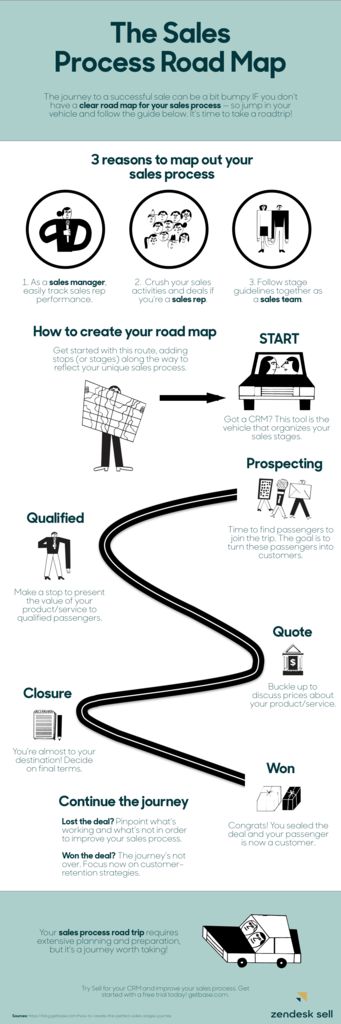
Strategic planning for the sales process:
in the biomedical field involves careful consideration of various factors to maximize efficiency and effectiveness. Here's how the process can be carried out, including determining points of sale and locations to save time and effort
Market Analysis:
Conduct a thorough analysis of the biomedical market to identify key trends, competitors, and potential opportunities. Understand the geographical distribution of potential clients and the demand for biomedical products.
Target Audience Definition
Clearly define your target audience based on demographics industry segments ,and geographical locations
Customer Profiling
Create detailed customer profiles to understand the characteristics and preferences of your ideal clients. This information will guide your sales strategies and help identify locations with a higher concentration of potential customers
Sales Territory Mapping
Divide the market into sales territories based on factors such as geography, industry concentration, or customer segments .This helps sales teams focus their efforts on specific areas, saving time and resources
Prioritization of Accounts
Prioritize customer accounts based on factors such as revenue potential, strategic importance, and likelihood of successful engagement. This ensures that sales efforts are concentrated on high-value opportunities
Time and Resource Allocation
Allocate sales resources, including personnel and marketing efforts, based on the prioritization of accounts and sales territories Concentrate efforts where they are most likely to yield positive results
Utilize Technology
Leverage technology tools, such as customer relationship management (CRM) systems, to analyse data and track customer interactions. These tools can provide insights into customer behaviour and preferences, helping refine sales strategies
Networking and Industry Events
Identify and participate in relevant industry events, conferences, and networking opportunities. These gatherings often attract a concentration of potential clients, providing an efficient way to engage with multiple prospects in one location
Collaboration with Key Accounts
Collaborate closely with key accounts and influential stakeholders. Their insights can help identify emerging opportunities and guide decisions on where to focus sales efforts
Regular Review and Adjustment
Regularly review the effectiveness of the sales strategies and adjust them based on performance metrics. Be agile in adapting to changes in the market or customer behaviour
Training and Development
Provide ongoing training to sales teams to keep them informed about market dynamics, product updates, and effective sales techniques
Feedback Loop
Establish a feedback loop between sales teams and other departments, such as marketing and product development