

2 years ago
#Protocols_for_accreditation_of_medical_facilities_in_the_Ministry_of_Health
Legal Compliance:
Ensure compliance with all relevant healthcare laws, regulations, and licensing requirements.
Infrastructure and Facilities:
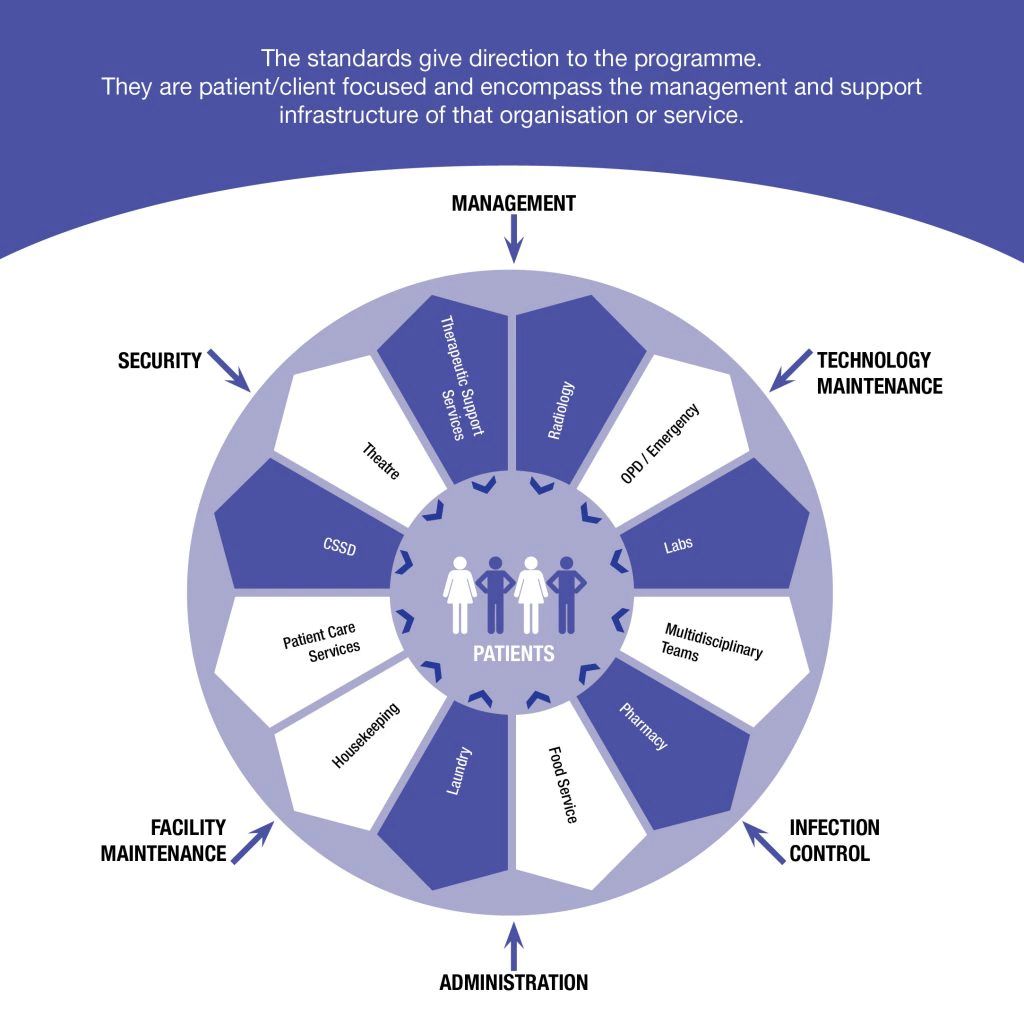
Assess the physical infrastructure, layout, and design of the facility to ensure it meets safety standards and provides an optimal environment for patient care.
Medical Staff Credentialing:
Verify the qualifications, licenses, and certifications of healthcare professionals working in the facility.
Patient Care and Safety:
Evaluate policies and practices related to patient safety, infection control, emergency preparedness, and overall quality of care.
#Clinical_Services:
Review protocols for diagnostic and treatment services, ensuring adherence to evidence-based practices and clinical guidelines.
Medical Records and #Documentation:
Assess the documentation and record-keeping processes to ensure accuracy, completeness, and confidentiality of patient information.
Quality Improvement and Patient Satisfaction:
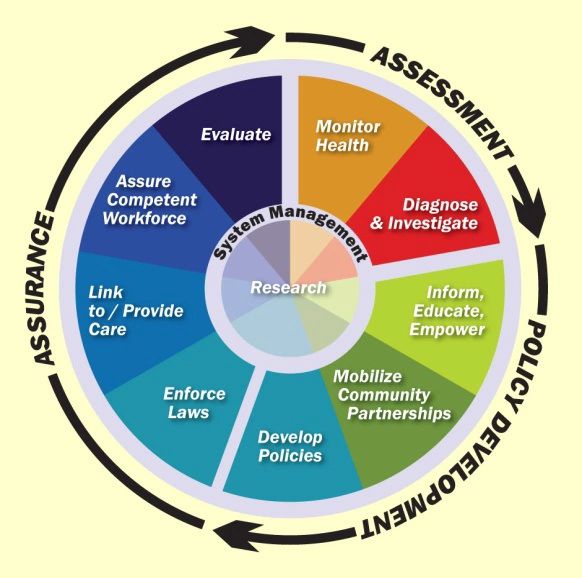
Implement mechanisms for continuous quality improvement, including monitoring outcomes, collecting feedback from patients, and addressing areas for improvement.
#Human_Resources_Management:
Evaluate staffing levels, training programs, and policies for staff recruitment, retention, and professional development.
#Equipment and #Technology:
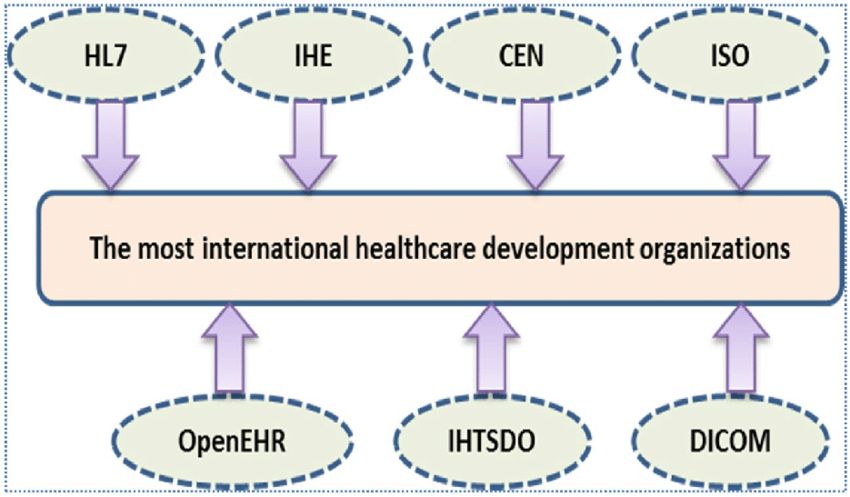
Ensure that medical equipment is properly maintained, calibrated, and meets regulatory standards. Evaluate the facility's technological infrastructure.
Infection Control:
Implement and monitor infection control measures to prevent the spread of infections within the facility.
Ethical and Legal Practices:
Assess adherence to ethical standards in patient care, as well as compliance with legal and ethical guidelines governing healthcare practices.
Emergency Preparedness:
Establish protocols for responding to medical emergencies and disasters, ensuring the facility is equipped to handle various situations.
Continuity of Care:
Develop systems to ensure the continuity of care for patients, including coordination with other healthcare providers and services.
Training and Education Programs:
Provide ongoing training and education programs for staff to keep them updated on the latest medical practices and technology.
These protocols are typically part of a comprehensive accreditation process conducted by the #Ministry_of_Health or an accrediting body.