

2 years ago
#Calibrating_Ventilators
Access Calibration Mode:
Ventilators typically have specific calibration modes or
procedures. Access this mode following the manufacturer's instructions.
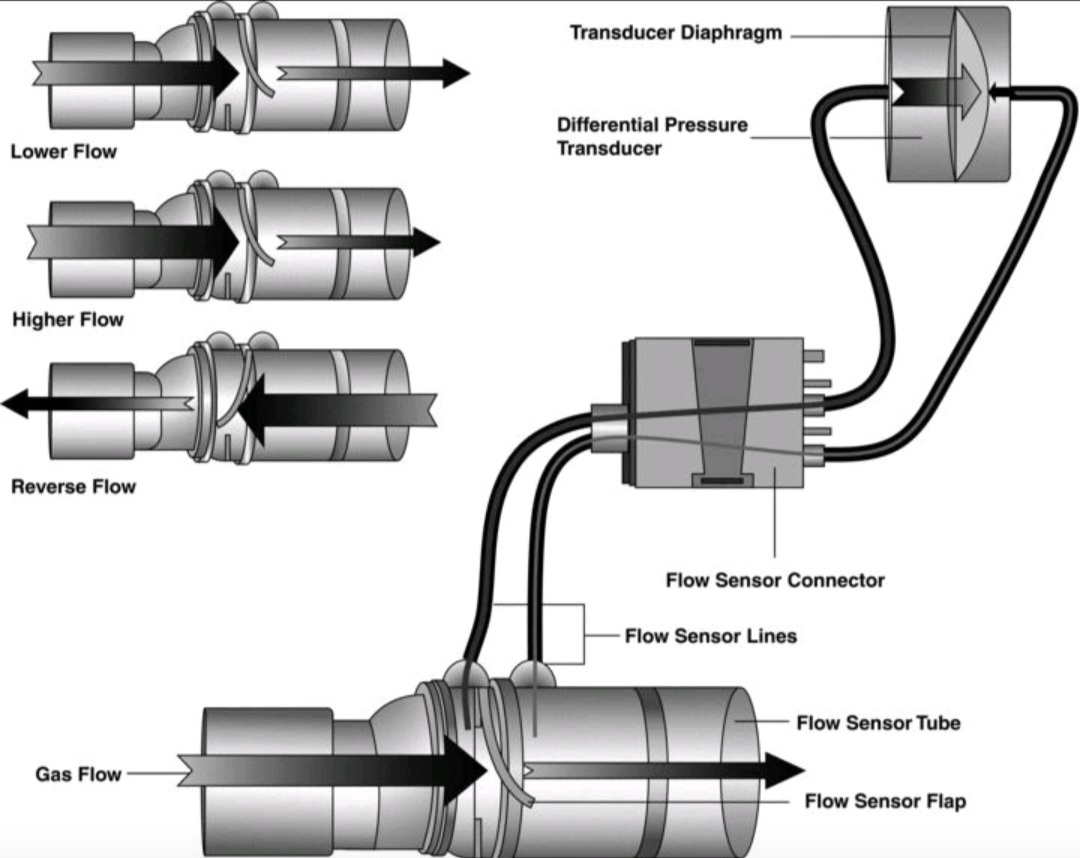
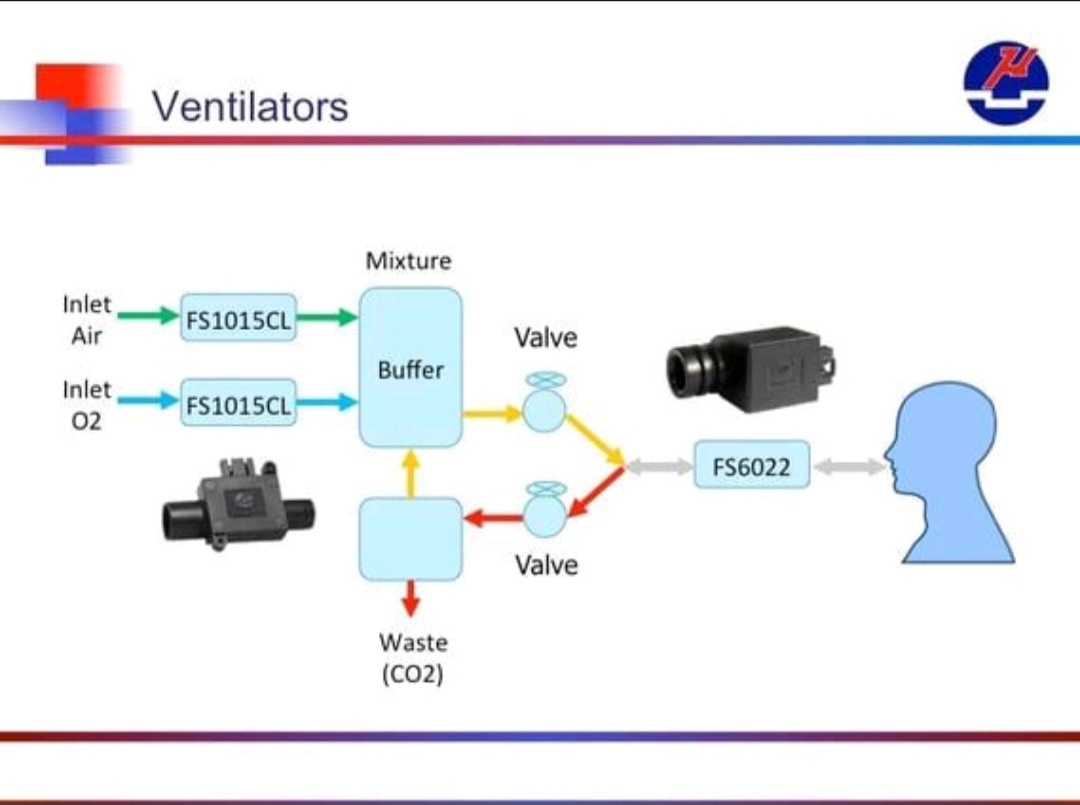
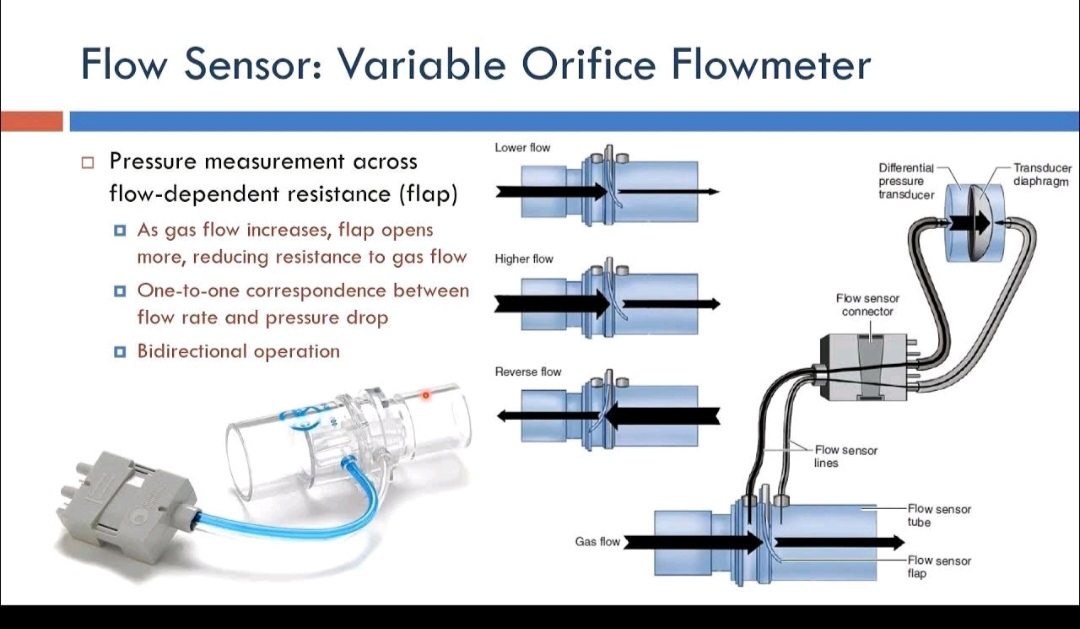
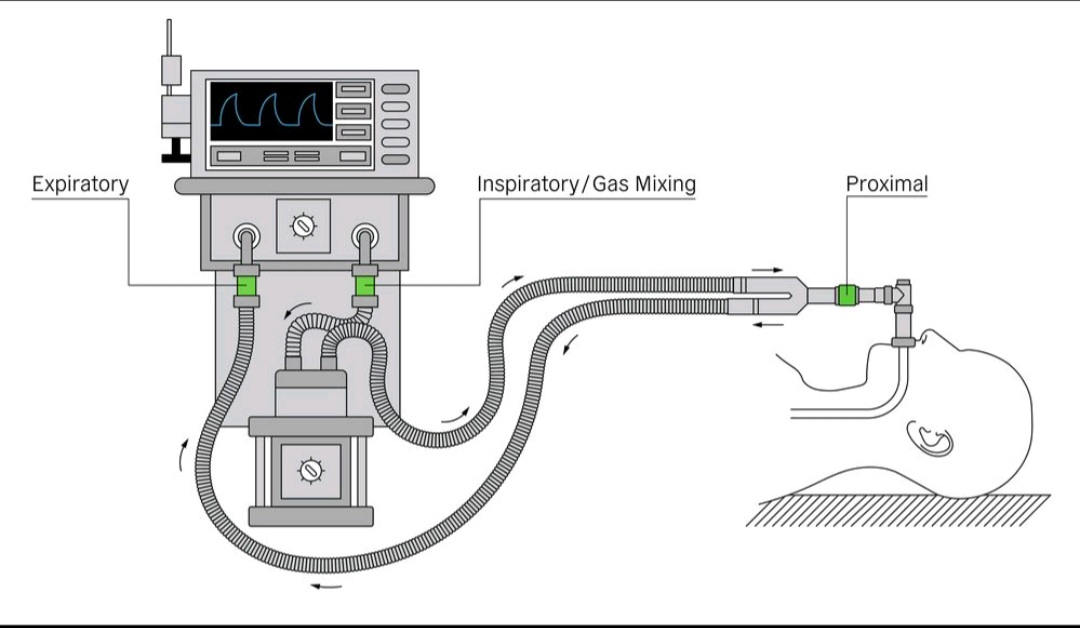
Sensor Identification: Identify the oxygen, carbon dioxide, and air pressure sensors within the ventilator that require calibration.
#Calibration_Gases and Reference Standards:
Oxygen Sensor: Use a certified calibration gas with a known and stable concentration of oxygen
Carbon Dioxide #Sensor:
Similarly, use a certified calibration gas with a known
concentration of carbon dioxide for calibrating the #C02
sensor.
Air Pressure Sensor:
Calibration may involve adjusting the pressure sensor to a known reference, typically atmospheric pressure, which varies with altitude.
Calibration Procedure:
Oxygen Sensor #Calibration Introduce the certified oxygen gas to the sensor.
The ventilator compares the sensor readings with the known concentration, and adjustments are made to align them.
Carbon Dioxide Sensor Calibration:Introduce the certified carbon dioxide gas to the sensor
Similar adjustments are made to align the sensor readings with the known concentration.
Air Pressure Sensor Calibration:
Adjust the air pressure sensor to match the known
atmospheric pressure or use a barometric pressure sensor for reference
Verification:
After calibration, verify the accuracy of the sensors by
introducing the respective gases or simulating pressure
changes.
Documentation:
Record the calibration activities, including the values of
reference standards used, adjustments made, and verification results.
Maintain detailed records for regulatory compliance
and future reference.
Importance of Calibration:
Patient Safety:
Accurate readings from oxygen, carbon dioxide, and air
pressure sensors are crucial for patient safety during
mechanical ventilation.
Treatment Efficacy: Proper calibration contributes to the
effectiveness of respiratory support. Reliable sensor readings allow healthcare providers to adjust ventilation parameters based on accurate physiological feedback.
Regulatory Compliance: Many healthcare standards and
regulations mandate regular calibration of medical devices to ensure
Responsibility for #Calibration
Biomedical Engineers/#Clinical Engineers
Biomedical engineers or clinical engineers are typically
responsible for the calibration of medical devices, including ventilators.
Manufacturer Service Technicians: Some healthcare facilities may rely on service technicians provided by the ventilator
manufacturer.
Trained Healthcare Personnel: In some cases, healthcare
professionals with specialized training, such as biomedical equipment technicians, may be involved in performing routine calibration under the supervision of biomedical engineers.