

2 years ago
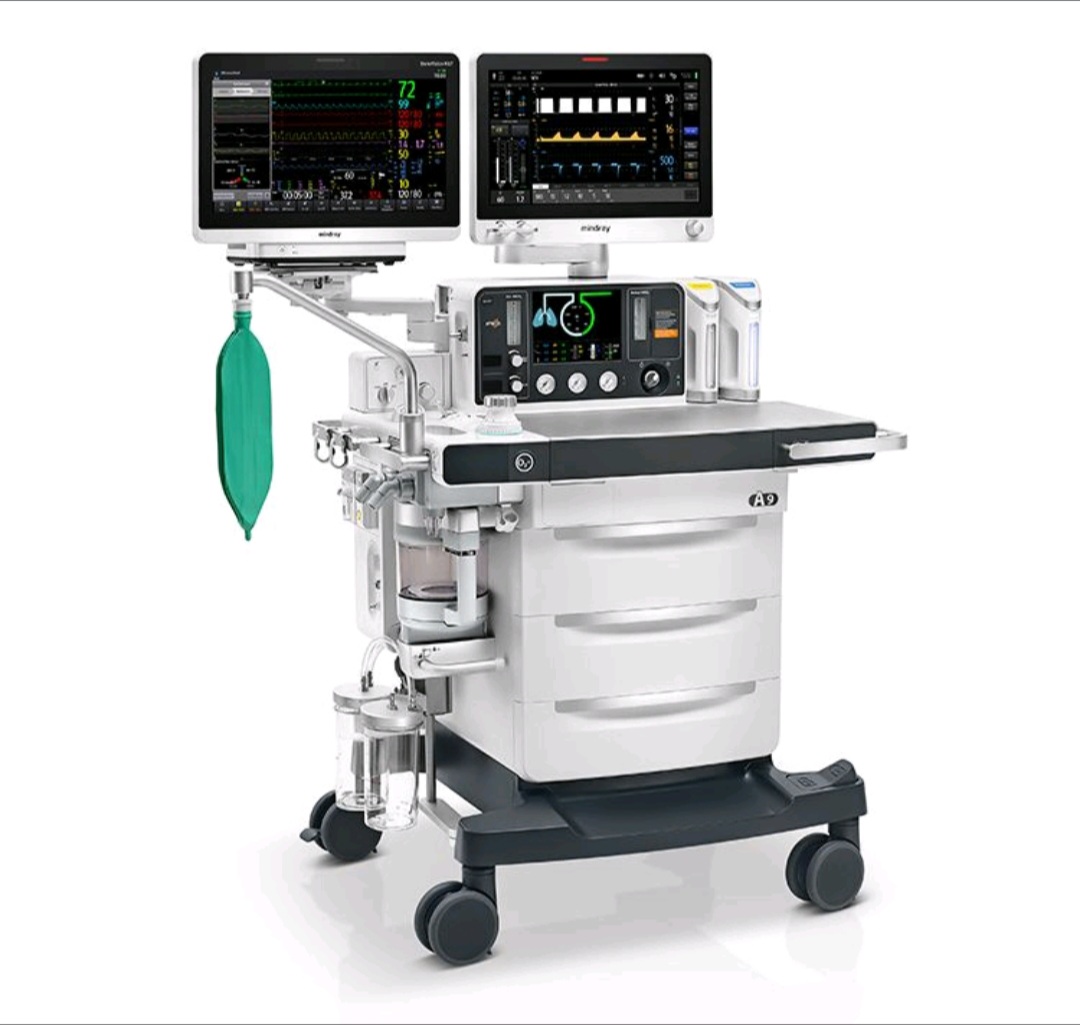
#Calibrating_Gases_and_Oxygen_Anesthesia_Machines
Importance:
Patient Safety:
Anesthesia machines deliver a precise mixture of gases
including oxygen, to patients during surgery. Calibration
ensures the accuracy of these gas concentrations, crucial for patient safety.
Accurate Dosage:
Proper calibration guarantees that the correct amount of
anesthesia and oxygen is administered, preventing under or overdelivery which could lead to complications_
Regulatory Compliance:
Compliance with regulatory standards and guidelines often mandates regular calibration to maintain
the performance and safety of anesthesia equipment.
#Calibration_Process:
Gas Flow Calibration:
Measure and adjust the flow rates of specific gases, such as oxygen, nitrous oxide, and air, to ensure accurate delivery.
Oxygen Concentration Calibration:
Verify and adjust the oxygen concentration delivered by theanesthesia machine to align with the intended percentage (typically expressed as Fi02 - Fraction of Inspired Oxygen)
Who Performs the #Calibration:
Biomedical Engineers or Clinical Engineers: These
professionals are typically responsible for calibrating medical equipment, including anesthesia machines. They
ensure that the machines meet safety and performance
standards.
Manufacturer Representatives
In some cases, calibration might be performed by technicians from the equipment manufacturer or authorized service providers.
In-house #Biomedical_Technicians:
Hospitals may have in-house biomedical technicians trained to calibrate and maintain medical devices.
Calibration Frequency:
Calibration frequency depends on factors such as equipment usage, manufacturer recommendations, and regulatory requirements.
Routine checks, daily or before each use, may involve quick verifications of gas flow and concentration.
Detailed calibrations, which may involve adjustments and verification against reference standards, are usually
performed periodically, such as annually or as recommended by the manufacturer.
Calibration Tools:
Precision gas flow meters for measuring and adjusting gas flow rates.
Gas analyzers to verify the concentration of delivered gases, especially oxygen.
Reference gas cylinders with known concentrations for
calibration.
Documentation:
Thorough documentation of the calibration process is
essential for regulatory compliance and tracking equipment performance overtime.
Records should include calibration dates, results, any
adjustments made, and the signature of the person
performing the calibration.