


2 years ago
#Wearable_medical_device_technology
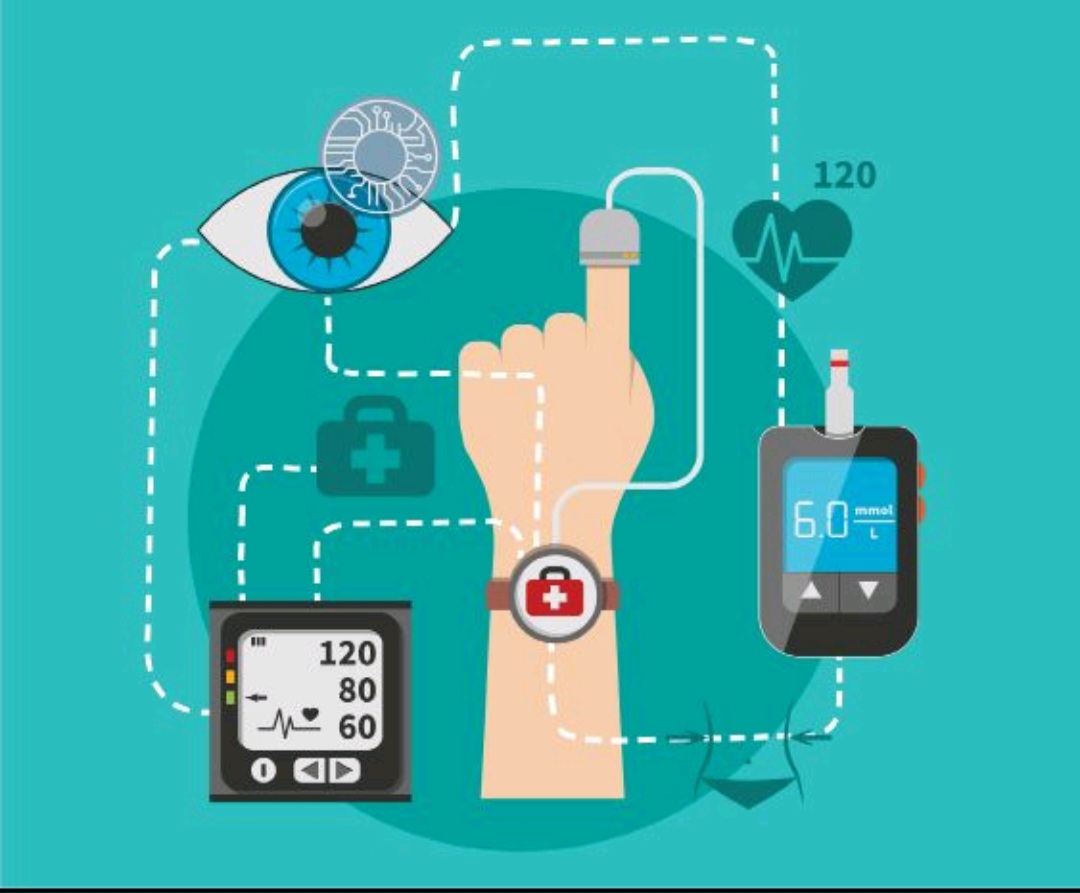
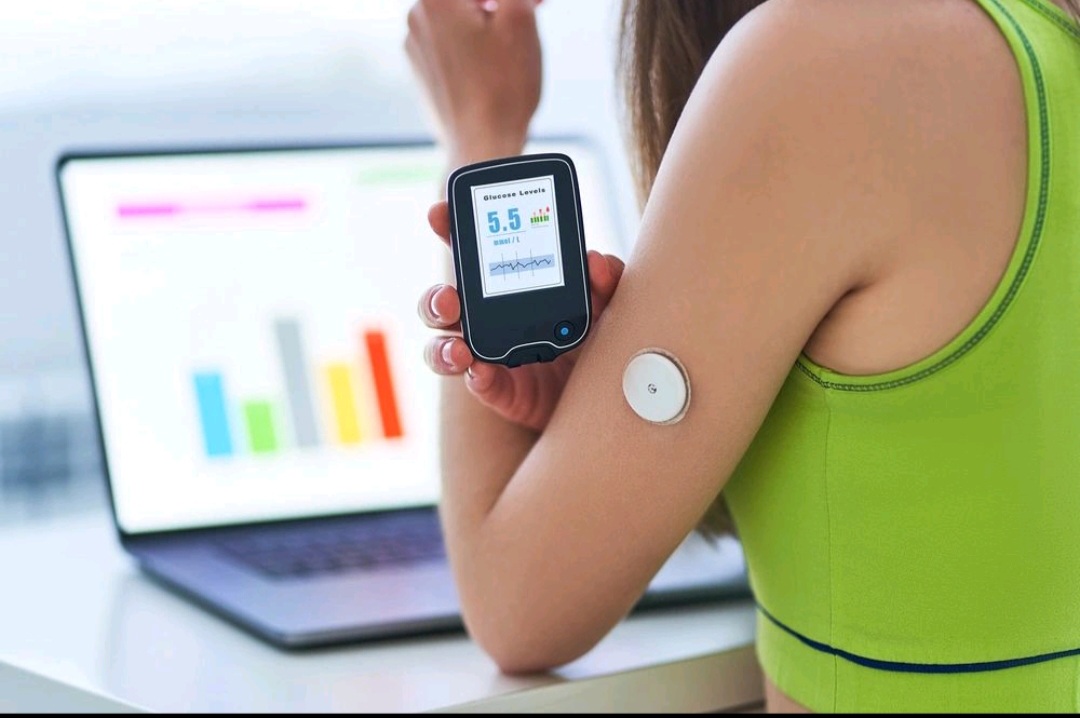
Real-Time Monitoring: Wearable devices provide real-time data on various physiological parameters, such as heart rate, blood pressure, and glucose levels.
This continuous monitoring allows for early detection of
anomalies and timely intervention, improving overall disease management.
Patient Empowerment: Wearables empower individuals to actively participate in their healthcare by offering insights into their health status
Patients can make informed decisions based on the data
provided, leading to better self-management of chronic
conditions.
Remote Patient Monitoring: Wearable technology enables healthcare professionals to remotely monitor patients.
This is especially valuable for individuals with chronic
conditions who require continuous supervision.
Remote monitoring helps detect changes in health status promptly and facilitates timely interventions, reducing the need for frequent hospital visits.
Data-Driven Insights: Wearable devices generate large datasets over time.
Analyzing this data using artificial intelligence and machine learning algorithms can provide valuable insights into disease patterns, individual health trends, and potential risk factors.
This information contributes to personalized and targeted interventions.
Medication Adherence: Some wearables incorporate medication reminders and adherence tracking features.
This helps patients stick to their prescribed treatment plans, ensuring consistent and timely administration of medications, which is crucial for effective disease management.
Lifestyle Modifications: Wearables go beyond clinical data, often tracking physical activity, sleep patterns, and stress levels.
This holistic approach allows for a comprehensive understanding of an individual's health, promoting lifestyle modifications that can positively impact disease outcomes
Reduced Healthcare Costs: Early detection, remote
monitoring, and improved adherence facilitated by wearable devices can lead to better health outcomes and, in turn, reduce healthcare costs associated with hospital admissions and emergency interventions